


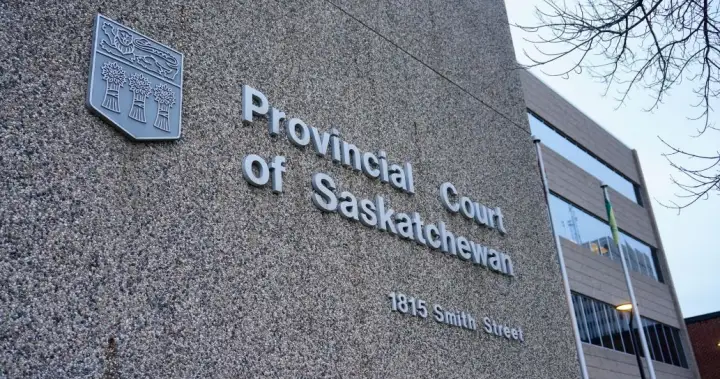
A Saskatchewan employer is facing criminal charges under provincial immigration legislation — and the case is putting foreign worker protection in Saskatchewan back in the spotlight.
On September 16, 2026, the Government of Saskatchewan announced that Escalade Transportation Inc. and Hafiz Tariq Ayub had each been charged with three offences under The Foreign Worker Recruitment and Immigration Services Act, 2013. The alleged offences took place between November 2022 and August 2023 at the company’s Regina location.
For immigrants and foreign workers, the message is important: understanding your rights matters just as much as understanding your Saskatchewan immigration pathway.
What Is the Saskatchewan Employer Accused Of?
According to the provincial government, the accused face three charges under Section 22 of the former legislation.
The allegations involve:
- Producing or distributing false or misleading information
- Misrepresenting employment opportunities, including job duties, wages, benefits and length of employment
- Taking unfair advantage of a foreign national’s fear, lack of experience or lack of knowledge
These are allegations only. The charges have not been proven in court.
The accused are scheduled to appear in Regina Provincial Court on September 17, 2026.
Why Does This Matter for Foreign Workers?
Finding a job in Canada can be a major part of an immigrant’s Canada immigration journey. For some foreign nationals, an employment offer can also connect directly to a provincial immigration pathway.
That creates a power imbalance when someone is unfamiliar with Canadian employment rules or immigration procedures.
A worker may not always know whether the wages promised by an employer are legitimate, whether the job duties match the offer, or whether someone is taking advantage of their immigration situation.
That is exactly why foreign worker rights in Saskatchewan and employer compliance rules exist.
If something about a recruitment or employment arrangement feels wrong, keeping quiet is not your only option.
What Protections Are Available in Saskatchewan?
Saskatchewan has a dedicated Program Compliance Branch within the Ministry of Immigration and Career Training.
The branch works to protect immigrants and foreign workers and provides a channel for people who believe their rights have been violated or who have concerns about the immigration or recruitment process.
According to the province, individuals can contact the branch directly. They do not need permission from an employer, recruiter or another person to make contact, and information provided to the branch is kept confidential.
For anyone dealing with a questionable foreign worker recruitment process, knowing where to report concerns can be critical.
Did Saskatchewan Change Its Immigration Law?
Yes.
Saskatchewan proclaimed The Immigration Services Act on July 1, 2024, replacing The Foreign Worker Recruitment and Immigration Services Act.
The government describes the newer legislation as a comprehensive immigration program integrity framework with significant penalties for violations.
However, the alleged conduct in this case occurred between November 2022 and August 2023 — before the newer legislation came into force.
That is why the charges were laid under the former Act rather than the current Immigration Services Act.
What Does This Mean for Saskatchewan Immigration Applicants?
It does not mean that every employer offering a job to a foreign national should be viewed with suspicion.
But it does highlight a practical issue: your immigration application and your employment arrangement are connected, but they are not the same thing.
If you are pursuing a Saskatchewan PNP application, a work permit, or another Canadian immigration pathway through employment, make sure you understand the terms of the job being offered.
Check the position, duties, wages, benefits and other important employment conditions.
Do not rely solely on verbal promises.
And be especially cautious when someone asks for money or makes promises that do not match the official immigration process.
What Should Foreign Workers Do If Their Rights Are Violated?
Start by documenting what happened.
Keep copies of employment offers, contracts, wage information, messages, recruitment communications and other relevant records.
If you believe you have experienced unfair treatment during the immigration recruitment process, Saskatchewan’s Program Compliance Branch is available for complaints and questions concerning legislative protections for newcomers and foreign workers.
The province lists the branch’s contact information as pcb@gov.sk.ca and 1-833-613-0485.
Foreign workers are also protected by Saskatchewan employment standards and occupational health and safety provisions under The Saskatchewan Employment Act, regardless of whether they are Canadian citizens, permanent residents or temporary residents.
Could This Affect Saskatchewan PNP Applicants?
The charges themselves do not announce a change to the Saskatchewan Immigrant Nominee Program (SINP).
However, employer compliance remains an important part of the broader immigration system.
For candidates relying on employment for their Saskatchewan immigration application, accurate information about the job is essential.
A genuine job offer should not require misleading information, misrepresentation or exploitation.
If you are unsure about your employment-based immigration pathway, getting professional advice before submitting documents can help you understand what information needs to be verified.
The Bigger Issue: Know Who You Are Trusting
Immigration is already complicated. Add an employer, recruiter and unfamiliar legal system to the equation, and it becomes even easier for a foreign worker to miss a red flag.
This Saskatchewan case is a reminder to slow down and verify.
Your job offer affects more than your paycheck. Depending on your circumstances, it can affect your Canadian work permit, immigration application and long-term plans for permanent residence.
Do not simply ask, “Does this job get me to Canada?”
Ask the more important questions:
Is the job genuine? Are the terms accurate? Are my rights protected? And does the immigration pathway actually match my situation?
Frequently Asked Questions
What happened in the Saskatchewan employer case?
Escalade Transportation Inc. and Hafiz Tariq Ayub were each charged with three offences under Saskatchewan’s former Foreign Worker Recruitment and Immigration Services Act. The alleged conduct occurred between November 2022 and August 2023.
Have the employer and individual been found guilty?
No. They have been charged, and the allegations have not been proven in court.
When will the accused appear in court?
The accused are scheduled to appear in Regina Provincial Court on September 17, 2026.
Which Saskatchewan immigration law applies to the charges?
Because the alleged offences occurred before July 1, 2024, the charges were laid under the former Foreign Worker Recruitment and Immigration Services Act, 2013. Saskatchewan’s current Immigration Services Act came into force on July 1, 2024.
Where can foreign workers report concerns?
The Saskatchewan Program Compliance Branch can be contacted regarding questions about protections for newcomers and foreign workers or concerns about immigration and recruitment processes.
Does this announcement change SINP requirements?
The announcement itself does not introduce new SINP requirements. Applicants should continue to follow the current official requirements applicable to their immigration stream.
Planning Your Saskatchewan Immigration Journey?
A job offer can open a door — but only when the opportunity, employment terms and immigration pathway all line up.
At Visa Nexa, we help individuals understand their Canadian immigration options, assess their circumstances and prepare applications based on the requirements that actually apply.
If you are considering the Saskatchewan PNP, a Canadian work permit or another employment-based immigration route, professional guidance can help you move forward with greater clarity.
Don’t build your immigration future on promises. Build it on verified information.