

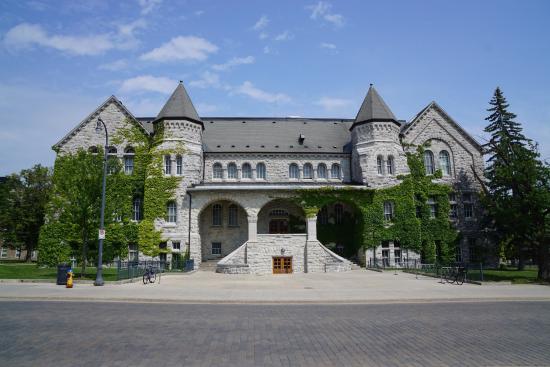
Ontario is making a major investment in higher education, and it could create new opportunities for students planning their future in Canada. The province is funding more than 3,600 additional seats at Queen’s University in Kingston, Ontario, as part of a broader plan to expand postsecondary education and prepare graduates for in-demand jobs.
But what does this announcement actually mean for international students? Will more university seats make it easier to study in Canada, find employment after graduation, or qualify for permanent residence? Let’s break down the details.
Why Is Ontario Funding 3,600 New Queen’s University Seats?
Ontario is investing $1.7 billion to add more than 70,000 postsecondary seats across publicly assisted colleges and universities. The funding aims to address labour shortages and prepare students for careers where employers need qualified workers.
Queen’s University is one of the institutions receiving additional funding, with more than 3,600 new seats planned.
The expansion is part of Ontario’s broader postsecondary education funding strategy, which is designed to connect university programs with real workforce needs. The province allocated the first 30,000 seats in May 2026 before inviting institutions to propose expansions for the remaining 40,000.
More than 1,000 employer letters of support were submitted for proposed expansions across Ontario, highlighting the demand for job-ready graduates.
Which Study Programs Could Benefit From Ontario’s University Expansion?
Not every degree has the same connection to labour-market demand. Ontario’s latest funding initiative prioritizes fields where employers need more qualified professionals.
These include:
- Science, technology, engineering and mathematics (STEM)
- Health care and related professional programs
- Education and teacher training
- Skilled trades and technical occupations
For international students, these areas may be worth exploring when comparing Canadian university programs. However, the availability of specific courses and seats will depend on Queen’s University’s program offerings, admissions requirements and implementation plans.
The key takeaway: Choose a program based on your academic background, career goals and realistic employment opportunities, rather than assuming that a funded field guarantees a job.
Does Queen’s University’s Expansion Create New Opportunities for International Students?
The additional university seats could expand educational capacity, but international applicants should understand what this announcement does and does not promise.
More funded seats do not automatically mean that all additional places will be available to international students. Applicants should check the university’s official admissions information to confirm eligibility, program availability, tuition fees and application deadlines.
International students should also consider the following before applying:
- Study permit requirements: You must meet the applicable Immigration, Refugees and Citizenship Canada (IRCC) requirements.
- Designated learning institution status: Confirm that the institution and intended program meet the relevant study permit requirements.
- Tuition and living expenses: Calculate the full cost of studying and living in Kingston, Ontario.
- Post-graduation work permit eligibility: Not every program automatically qualifies for a PGWP. Verify the current rules for your specific program.
- Career planning: Research employer demand, professional licensing requirements and potential career pathways before choosing a degree.
These checks can help you make a more informed decision before committing to an international education plan.
Can Studying at Queen’s University Help You Get Canadian PR?
This is where students need to separate opportunity from expectation.
Studying in Canada does not guarantee permanent residence. However, eligible international graduates may have access to immigration pathways if they meet the applicable requirements.
Depending on individual circumstances and current federal or provincial rules, graduates may explore options such as the Canadian Experience Class, Express Entry or eligible Provincial Nominee Program streams.
Your eligibility can depend on several factors, including qualifying work experience, language proficiency, occupation, education and the immigration rules in effect when you apply.
A university degree alone does not guarantee a post-graduation work permit, an invitation to apply for permanent residence or a successful immigration application.
That is why students should consider their long-term plans before selecting a course, rather than making a decision based solely on university funding announcements.
What Should Prospective Students Do Next?
If Queen’s University is on your shortlist, start by reviewing its official program pages and admissions requirements. Check whether your preferred course is accepting applications, whether international students are eligible and whether the program aligns with your career goals.
You should also review current Canadian study permit requirements, proof-of-funds rules and post-graduation work permit criteria before making financial commitments.
Visa Nexa can help prospective students and newcomers understand Canadian immigration requirements and explore suitable options based on their circumstances.
Planning to study in Ontario? Get accurate information about study permits, post-graduation options and your potential immigration pathways before taking the next step.
Final Takeaway
Ontario’s investment in more than 3,600 additional Queen’s University seats is part of a wider effort to expand postsecondary education and develop talent for high-demand industries. The focus on STEM, health care, education and skilled trades may be relevant to students planning their careers in Canada.
Still, additional seats do not guarantee international admission, employment or permanent residence. The smartest approach is to combine careful university selection with an understanding of current Canadian immigration rules.
Visa Nexa encourages prospective students to research their options carefully and build an education plan around verified requirements, realistic career goals and long-term priorities.