


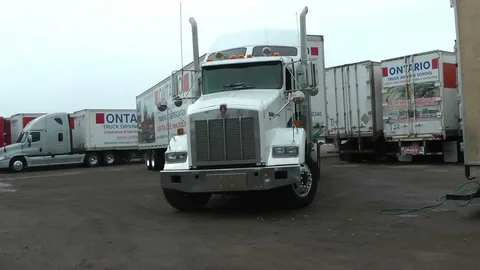
Planning to become a truck driver in Ontario? The training requirements are about to get more serious.
The Ontario government announced on September 21, 2026, that it is developing a new standardized entry-level truck driver training curriculum for commercial drivers. The goal is to make truck driver training more consistent across the province and ensure new commercial drivers have the skills and knowledge needed to operate safely.
The proposed curriculum will include more than 103 hours of training, with implementation expected to begin in early 2027.
For anyone considering a Class A driver’s licence in Ontario, this could change how you prepare for your commercial driving career.
What Is Changing for Truck Driver Training in Ontario?
Ontario is developing a standardized curriculum that truck driver training organizations across the province will be required to follow.
The new Ontario truck driver training requirements are expected to establish a consistent baseline for entry-level commercial driver education instead of allowing training providers to operate with varying approaches.
The curriculum will contain more than 103 hours of training covering the knowledge and practical skills required for applicants seeking a Class A commercial driver’s licence.
The province says it will work with trucking industry representatives, training providers and other experts before finalizing the curriculum.
What Will the New Class A Training Include?
The standardized Class A training Ontario curriculum is still being developed, but the province has identified several additional topics that may be included.
These include:
- Fatigue management
- Northern, rural and remote driving
- Human trafficking awareness
- Mandatory air brake training
- Commercial vehicle safety
- Practical truck-driving skills
The final curriculum will be developed in consultation with industry and training experts, so applicants should watch for further announcements before assuming every proposed subject is finalized.
Six-Month Waiting Period for Class A Road Tests
The training changes are not the only development future truck drivers need to know about.
Ontario says it is introducing a mandatory six-month waiting period, effective January 1, 2027, before Class G or higher licence holders can attempt a Class A road test.
This means people planning a career in commercial trucking need to consider the timing of their licensing journey.
The waiting period does not mean applicants have to sit idle. Ontario says candidates will still be able to complete their medical and vision requirements, attempt the Class A knowledge test and take entry-level Class A training during the waiting period.
Why Is Ontario Changing Truck Driver Requirements?
The province says the changes are intended to strengthen commercial vehicle safety and ensure drivers receive consistent, high-quality training.
Ontario’s standardized curriculum also aligns with recommendations from the Auditor General of Ontario, which called for stronger commercial driver training standards.
The government is also taking other steps involving commercial trucking, including increased enforcement and additional measures focused on the northern Highway 11/17 corridor.
For new drivers, the practical takeaway is straightforward: getting a commercial driver’s licence will involve more structured preparation and experience requirements.
Work Eligibility Requirements for Commercial Drivers
Ontario has also strengthened requirements concerning commercial driver eligibility.
The province previously introduced a requirement for commercial vehicle drivers to provide documentation verifying their eligibility to work in Canada.
This is particularly relevant for people considering trucking as an employment option after coming to Canada.
However, the new training curriculum should not be confused with an immigration program. Completing truck driver training or obtaining a Class A licence does not itself provide permanent residence or a work permit.
Immigration status and employment eligibility remain separate issues from Ontario’s driver licensing requirements.
What About Drivers From Outside Canada?
Ontario has also changed licensing requirements for drivers from jurisdictions that do not have a reciprocal licensing agreement with the province.
According to the province, these drivers must now complete a G2 road test followed by a G road test at least 12 months later to become fully licensed.
For newcomers considering commercial driving in Ontario, this makes it particularly important to understand the difference between:
- Canadian immigration status
- Work authorization
- Ontario driver’s licence requirements
- Commercial driver training
- Class A licensing requirements
Having driving experience from another country does not necessarily mean an applicant can immediately obtain an Ontario commercial licence.
What Should Future Truck Drivers Do Now?
If becoming a truck driver in Ontario is part of your career plan, don’t wait until the new curriculum arrives to start preparing.
Keep track of announcements from the Ontario Ministry of Transportation, check the licensing requirements that apply to your situation and understand the timeline for obtaining the appropriate driver’s licence.
If you are a newcomer to Canada, also confirm that your work authorization and immigration status allow you to work in the trucking sector.
Training providers will also need to prepare for the standardized curriculum once Ontario finalizes the requirements.
When Will the New Training Rules Start?
Ontario says it will work with industry leaders, training providers and subject matter experts over the coming months to develop the new standardized curriculum.
Implementation is expected to begin early in 2027.
That means the details are still being developed. Applicants should avoid relying on unofficial claims about the final curriculum until Ontario publishes the completed requirements.
What This Means for Truck Drivers in Ontario
Ontario is moving toward a more standardized approach to commercial driver training, with more than 103 hours of proposed entry-level training and additional subjects such as fatigue management and air brake training under consideration.
At the same time, the January 1, 2027 six-month waiting period for Class A road-test attempts adds another timeline that future commercial drivers need to plan around.
For newcomers and workers considering trucking in Ontario, the important thing is to treat driver licensing, training and Canadian work authorization as separate requirements.
Visa Nexa will continue tracking relevant Ontario immigration news, Canada immigration updates, work authorization rules, employment developments and provincial policy changes that may affect newcomers and workers in Canada.